Blog

  • The Role of Youth in Shaping Malaysia’s Political Future

    The Role of Youth in Shaping Malaysia’s Political Future

    Malaysian youth are increasingly becoming a driving force in shaping the nation’s political landscape. As they gain more voting power and voice, their influence is reshaping traditional political dynamics. This shift is not just a trend but a sign of a more active, aware, and engaged generation ready to steer Malaysia towards a future that reflects their aspirations.

    Key Takeaway

    Malaysian youth are shaping the country’s political future through voting, activism, and digital engagement. Their participation is vital for a more inclusive democracy and future reforms.

    The rising influence of Malaysian youth in politics

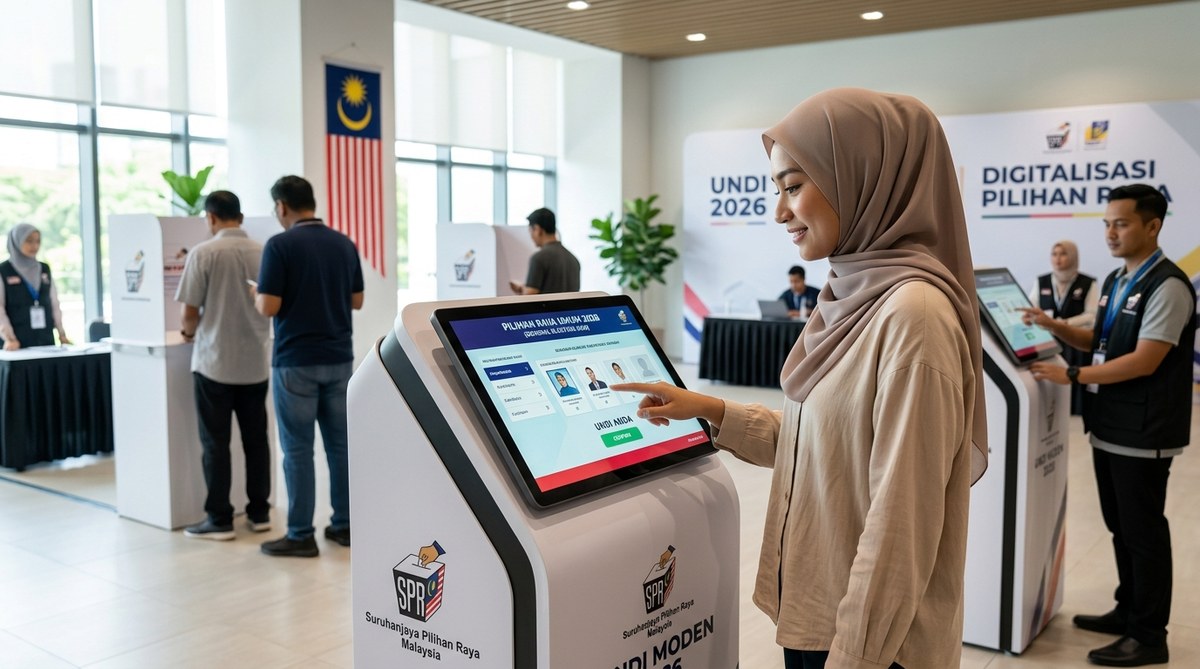
    Over recent years, young Malaysians have shown they are no longer passive spectators in politics. The implementation of Undi 18 in 2019, which lowered voting age from 21 to 18, marked a turning point. Suddenly, millions of teenagers and young adults gained the power to vote and influence policies. This change sparked a wave of youth activism and new political voices emerging across the nation.

    Young voters are now seen as a critical voting bloc capable of swinging election results. Their preferences often lean towards issues like education reform, employment opportunities, environmental sustainability, and social justice. As they become more politically aware, their role extends beyond elections. They are actively participating in protests, online campaigns, and community organizing efforts that push for change.

    How Malaysian youth are shaping political participation

    Active engagement among Malaysian youth manifests in various ways. Understanding these methods helps grasp the depth of their influence. Here are some of the most impactful processes:

    1. Voting and electoral participation
    2. Civic activism and protests
    3. Digital activism and social media campaigns

    1. Voting and electoral participation

    The most direct way youth influence politics is through voting. With the implementation of Undi 18, young voters are now a significant demographic in elections. Many young Malaysians are informed and motivated to cast their ballots, seeking representatives who align with their values.

    To maximize their impact, youth organizations and advocacy groups conduct voter education campaigns. They encourage voter registration and provide resources on election issues. These efforts ensure that youth voices are counted and considered in policymaking.

    2. Civic activism and protests

    Beyond voting, youths participate in protests and civic movements. Issues like climate change, racial equality, and government transparency often lead to youth-led demonstrations. These protests serve as platforms for expressing frustrations and demanding reforms.

    Young activists are also engaging in community projects, advocating for education reforms, and supporting marginalized groups. Their activism keeps political leaders accountable and pushes for more inclusive policies.

    3. Digital activism and social media campaigns

    In today’s connected world, social media is a powerful tool for youth activism. Malaysian youths use platforms like Twitter, TikTok, and Instagram to raise awareness, share opinions, and organize events. Viral hashtags and online campaigns help mobilize support quickly and widely.

    Digital spaces also allow youth to bypass traditional media barriers, making their voices heard globally. This online advocacy often translates into real-world actions, influencing public discourse and even policy decisions.

    Techniques youth use to influence politics and common pitfalls

    Understanding how youth influence politics involves recognizing effective techniques and common mistakes. Here is a comparison table:

    Techniques Mistakes to Avoid
    Grassroots mobilization Ignoring digital platforms
    Forming youth political groups Relying solely on online activism
    Engaging in policy dialogue Overlooking voter education
    Using social media for awareness Spreading misinformation
    Participating in community projects Neglecting long-term engagement

    “Young Malaysians have the power to redefine politics through informed participation and innovative activism. Their voices are shaping policies that mirror their concerns,” advises political analyst Dr. Amir Hassan.

    Practical steps for youth to amplify their political role

    For Malaysian youth looking to make a meaningful impact, here are some practical processes:

    1. Educate yourself on political issues: Stay informed through credible news sources and participate in community discussions.
    2. Register to vote and encourage others: Make sure your peers are registered and motivated to vote.
    3. Get involved in civic activities: Join youth organizations, participate in local campaigns, or volunteer for causes you believe in.

    Additional tips include:

    • Use social media responsibly to raise awareness.
    • Attend town hall meetings and engage with policymakers.
    • Support candidates and policies that reflect your values.
    • Volunteer in voter education and outreach programs.
    • Lead or join initiatives that promote social justice and environmental sustainability.

    Common pitfalls and how to avoid them

    Even with good intentions, youth activism can face obstacles. Here are some common pitfalls and strategies to navigate them:

    Mistake How to Avoid
    Spreading misinformation Verify facts before sharing
    Focusing only on online activism Engage in offline activities as well
    Ignoring long-term engagement Build sustained involvement over time
    Underestimating the power of voting Participate actively in elections
    Not collaborating across groups Form alliances for greater impact

    The role of education and policy in empowering youth

    Educational institutions play a vital part in fostering political awareness. Schools and universities can introduce civics education, encouraging critical thinking about governance and social issues. Policy reforms like Undi 18 have empowered youth participation, but ongoing efforts are needed to ensure sustained engagement.

    Policymakers should create platforms for youth dialogue, support youth-led initiatives, and ensure their voices influence decision-making. When young Malaysians are equipped with knowledge and opportunities, they become powerful agents of change.

    How to support youth involvement in Malaysia’s political future

    Active support from society is essential. Families, educators, and community leaders can:

    • Encourage open conversations about politics.
    • Provide mentorship to young leaders.
    • Promote inclusive policies that enable youth participation.
    • Recognize and celebrate youth contributions in civic life.
    • Create accessible forums for youth to voice their opinions.

    Key techniques for fostering youth engagement

    Technique Common mistake
    Mentorship programs Overlooking digital literacy
    Inclusive policy frameworks Ignoring grassroots voices
    Youth leadership training Focusing only on elite groups
    Community outreach initiatives Neglecting marginalized youth

    The future of Malaysian youth in politics

    Looking ahead, Malaysian youth are poised to continue shaping the political landscape. As digital natives, they will leverage technology to advocate for change more effectively. Political reforms and education will further empower them to participate actively.

    Their influence will likely grow as they assume leadership roles and champion issues that matter most. The key lies in fostering an environment where their voices are heard and valued.

    How you can be part of this movement

    Whether you are a student, researcher, policymaker, or engaged citizen, your role is crucial. Supporting youth-led initiatives, staying informed, and encouraging young voices can accelerate positive change.

    Start by learning about the issues faced by Malaysian youth and find ways to contribute. Your support can help nurture a generation that will lead Malaysia into a more inclusive, vibrant democracy.

    Embracing the youth-driven future of Malaysia

    Young Malaysians are no longer just future leaders; they are active participants today. Their role in shaping the country’s political future is undeniable. As they continue to harness education, activism, and technology, their impact will deepen.

    Encouraging youth participation benefits everyone. It leads to policies that reflect the diverse needs of society and fosters a more resilient democracy. By supporting and empowering young Malaysians, the nation takes a step closer to a future built on shared values and collective progress.

  • Understanding Malaysia’s Political Landscape Post-Elections

    Understanding Malaysia’s Political Landscape Post-Elections

    Malaysia’s political scene remains a dynamic arena, especially after recent elections shook up the traditional power structures. With shifting alliances, emerging leaders, and evolving voter sentiments, understanding the post-election landscape is crucial for researchers, students, and anyone keen on Malaysian politics. This guide offers an in-depth look at what shapes Malaysia’s political future, the challenges ahead, and the key factors influencing national stability and policy directions.

    Key Takeaway

    Malaysia’s political landscape after recent elections is marked by fluid alliances and new power dynamics. While traditional parties remain influential, emerging voices and shifting voter preferences continue to reshape governance, promising a period of transformation and uncertainty.

    The Shifting Political Tide in Malaysia

    Malaysia’s electoral landscape has long been characterized by the dominance of Barisan Nasional (BN) and the rise of Pakatan Harapan (PH). However, recent elections have disrupted this binary, leading to a more fragmented political environment. The emergence of new coalitions and the reconfiguration of old alliances reflect the public’s desire for change and a rejection of the status quo.

    The 15th General Election, held in 2022, saw a hung parliament with no single party commanding a clear majority. This outcome forced political leaders to negotiate and form coalitions, often leading to unexpected alliances. Such developments highlight a key trend: Malaysia’s voters are increasingly pragmatic, focusing on issues like governance, corruption, and economic recovery rather than strict party loyalty.

    Major Developments Since the Last Election

    1. The Rise of New Political Movements

    Several new political parties and movements have gained traction, especially among younger voters. These groups often focus on issues like climate change, social justice, and anti-corruption measures. The youth vote proved pivotal in recent elections, signaling a shift towards more progressive and issue-based politics.

    2. Formation of New Coalitions

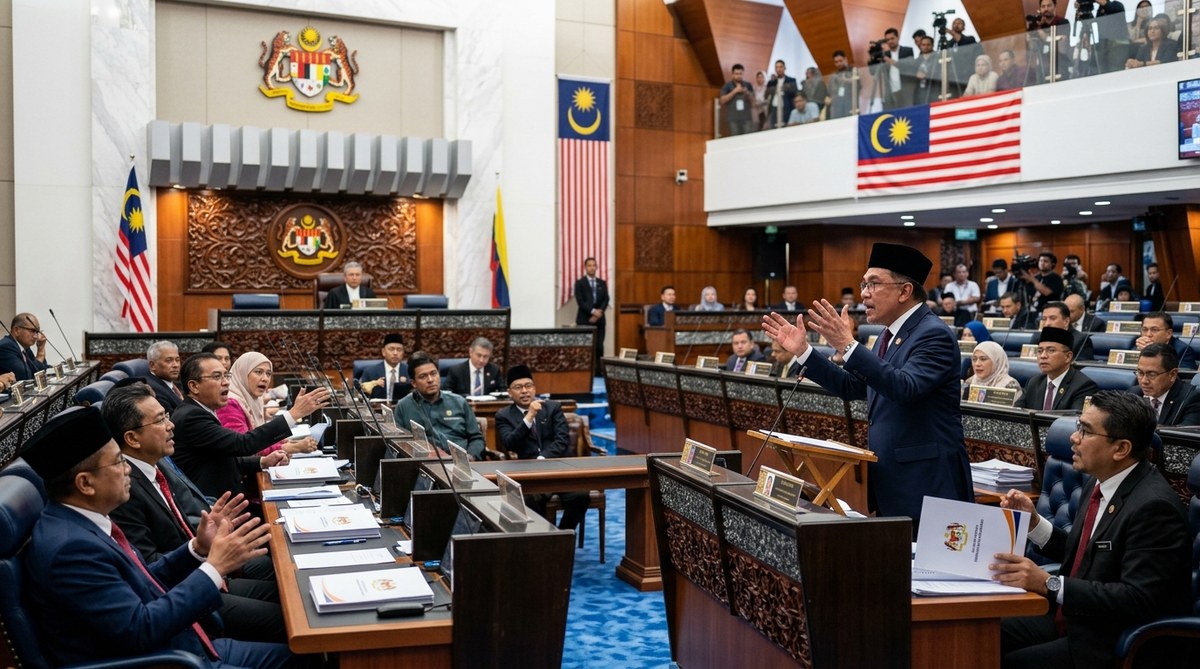
    No single party emerged dominant, prompting the formation of coalitions that span the ideological spectrum. For instance, the unity government led by Prime Minister Anwar Ibrahim incorporates diverse parties aiming to stabilize governance. However, such coalitions are inherently fragile, susceptible to internal disagreements and shifting loyalties.

    3. Policy Priorities and Governance Challenges

    Post-election governments face intense pressure to deliver on economic recovery, social cohesion, and reform agendas. The country is grappling with inflation, unemployment, and public dissatisfaction with corruption scandals. Policymakers are balancing between maintaining stability and implementing reforms that satisfy the diverse interests within the political spectrum.

    Navigating the Complexities of Malaysia’s Political Environment

    Practical processes to understand and follow the post-elections landscape:

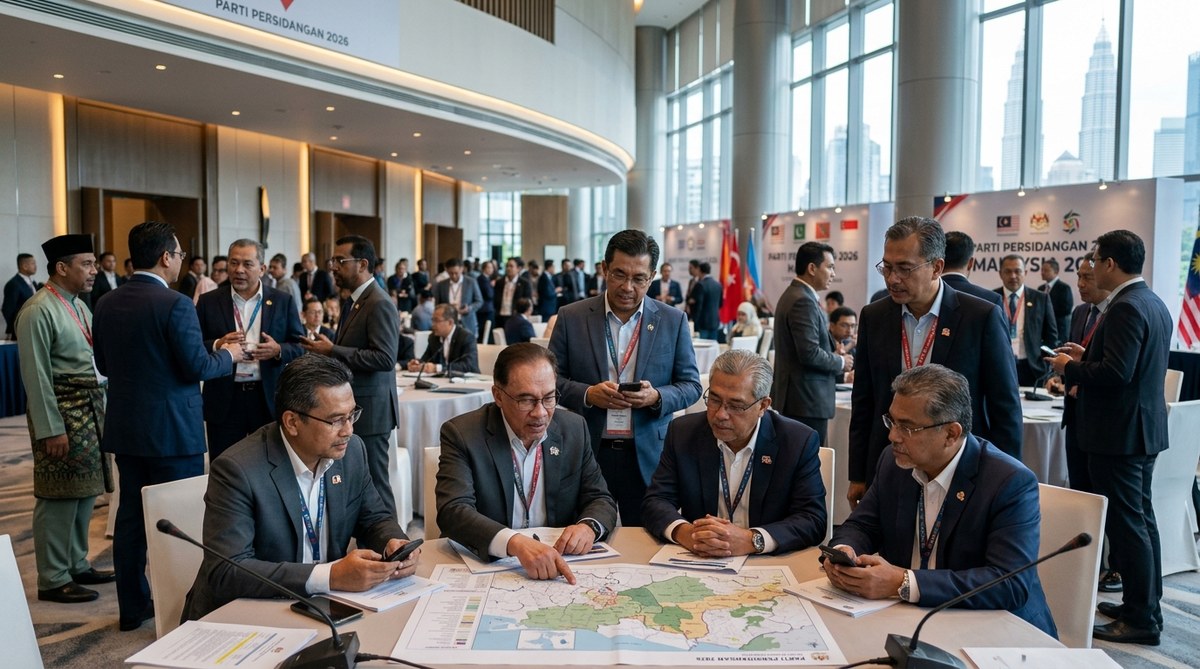
    1. Monitor coalition negotiations and policy announcements regularly through credible news sources like The Malaysian Times.
    2. Analyze voting patterns and demographic shifts by reviewing electoral data and studies on voter behavior.
    3. Follow key political figures and party statements to gauge future alliances and policy directions.

    Factors Influencing the Political Future

    • Voter sentiment continues to evolve, influenced by economic conditions and social issues.
    • Institutional stability depends on how well political leaders manage internal disagreements and external pressures.
    • External influences, including ASEAN regional dynamics and international relations, shape policy choices and diplomatic priorities.

    Challenges Facing Malaysia’s Political System

    Despite the apparent fluidity, several hurdles threaten stability:

    • Party fragmentation can lead to unstable governments and frequent reshuffles.
    • Corruption and governance issues remain a concern, eroding public trust.
    • Ethnic and religious tensions continue to influence political narratives and policy decisions.
    • Public demand for reforms may clash with elite interests, complicating policymaking.

    Common mistakes to avoid when analyzing Malaysia’s politics:

    Technique Mistake to Avoid
    Overgeneralizing Assuming all parties behave uniformly
    Ignoring regional differences Overlooking state-level political nuances
    Underestimating public sentiment Relying solely on elite politics
    Neglecting economic factors Focusing only on identity politics

    Expert Advice on the Political Transition

    “Malaysia’s political future hinges on its ability to foster inclusive governance and manage internal divisions. Leaders must prioritize transparency and dialogue to build stability in this post-election period,” advises political analyst Dr. Lim Siew Eng.

    The Road Ahead: What to Watch

    Looking forward, several key areas will shape Malaysia’s political landscape:

    • The strength and stability of coalition governments.
    • The government’s ability to implement reforms amidst opposition pressures.
    • The role of youth and civil society in shaping future policies.
    • Regional and international influences that may sway domestic politics.

    Additionally, ongoing debates about constitutional reforms, electoral laws, and minority rights will continue to influence political discourse. Watching how leaders navigate these issues will provide insight into Malaysia’s trajectory for the coming years.

    How Civil Society and the Public Shape the Political Climate

    The active involvement of civil society organizations, media outlets, and grassroots movements greatly impacts governance. Public protests, social media campaigns, and community initiatives serve as barometers of citizen engagement and influence policy decisions.

    In recent months, youth-led movements have called for greater transparency and reforms, reflecting a more politically aware and active generation. Their involvement is likely to increase, making Malaysia’s political future more participatory.

    Practical Steps for Engaged Citizens

    • Stay informed through trusted news outlets.
    • Participate in community discussions and forums.
    • Support transparency initiatives and civil society programs.
    • Vote responsibly and advocate for reforms that promote good governance.

    Malaysia’s Political Future: Opportunities and Risks

    The current period offers opportunities for increased inclusivity and reform but also presents risks of instability. Political leaders must balance competing interests carefully. The country’s resilience depends on how well it manages this delicate transition.

    International observers note that Malaysia’s experience offers valuable lessons in managing diverse societies and multi-party democracies. Strengthening institutions and fostering dialogue are key to ensuring sustainable development.

    Embracing Malaysia’s New Political Reality

    Understanding Malaysia’s post-election landscape requires attentiveness to both formal political processes and the broader social currents. As the country charts a new course, citizens and analysts alike must stay engaged, informed, and adaptable.

    By following key developments, analyzing voting patterns, and understanding the underlying issues, everyone can better anticipate Malaysia’s next chapter. This period of change, while challenging, also holds the promise of a more inclusive and resilient democracy.


    Remember: Political landscapes are always in flux. Staying informed and engaged is the best way to contribute to Malaysia’s stability and growth. Whether you are a researcher, student, or curious observer, understanding these shifts helps you appreciate the country’s complex and vibrant democracy.

    Malaysia’s Political Path Forward

    As Malaysia navigates its evolving political landscape post-elections, the key lies in balancing reform, stability, and inclusiveness. For citizens and policymakers alike, the focus should be on building trust, strengthening institutions, and fostering unity across diverse communities. By doing so, Malaysia can turn its current challenges into opportunities for a brighter, more resilient future.

  • Hello world!

    Welcome to WordPress. This is your first post. Edit or delete it, then start writing!